Amount versus coverage
Appraisal determines how much the loss is worth, not whether the policy covers it. Sorting which dispute you have decides which remedy can help you.
Disputed property and injury insurance claims in Texas, from the first adjuster call through denial, appraisal and litigation, and how to judge whether a lawyer is worth the share of the payout
Appraisal settles the amount of loss and nothing else. A practical read on what invoking it gives up, and the file a lawyer needs before suit makes financial sense.
Appraisal determines how much the loss is worth, not whether the policy covers it. Sorting which dispute you have decides which remedy can help you.
The carrier's estimate tells you what was conceded and what was ignored. A low price on an included item is a quantum fight; a missing item with an exclusion cited is a coverage fight.
Each side names an appraiser, and the two select an umpire if they cannot agree. The award of any two of the three binds both parties on amount.
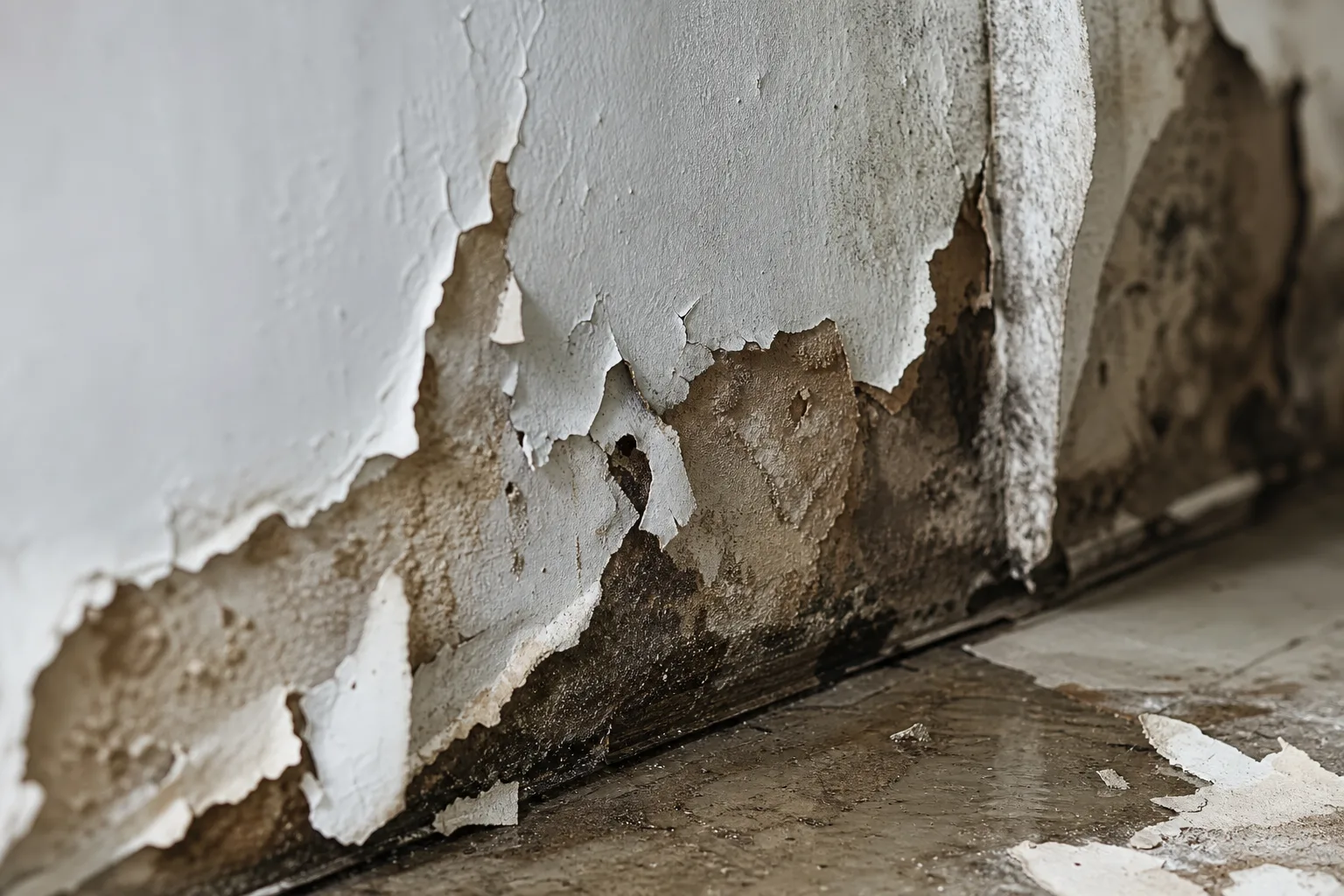
Two adjusters can look at the same roof and write estimates twenty thousand dollars apart, and that gap is a different animal from a letter saying the damage is wear and tear rather than wind. The first is a fight about numbers. The second is a fight about whether the policy responds at all. Almost every stalled residential claim in Texas is one or the other, and the tool that fixes one will not touch the other. Reading your own file correctly, before you invoke anything, is the whole decision.
Pull the estimate the carrier relied on and read the line items, not the total. If the adjuster wrote the roof, the fascia and the interior ceiling but priced them low, used a depreciation schedule you disagree with, or omitted code upgrade items the endorsement covers, that is a quantum dispute. If the letter says the loss predates the policy period, that the cause was long-term moisture, or that an exclusion applies, that is coverage. Carriers often blend the two in one paragraph, which is exactly why the sorting has to be done line by line.
The appraisal clause in a standard Texas homeowners form binds both sides to a determination of the amount of loss by two appraisers and, where they disagree, an umpire. It is fast, it is comparatively cheap, and the award is generally binding on the amount. It does not decide whether a peril is covered, it does not decide whether the insurer treated you fairly, and it does not award attorney's fees. Appraisers routinely have to allocate between storm damage and prior damage, and that allocation is where a coverage argument can quietly ride along inside an amount determination.
This is the part readers underestimate. Under Texas Supreme Court decisions in the Ortiz and Barbara Technologies line, an insurer that pays an appraisal award plus applicable interest generally defeats a breach of contract claim, and without proof of an injury independent of the underpayment, the extracontractual claims usually go with it. What can survive is a prompt payment claim under Chapter 542, because the statutory clock ran while the carrier was wrong. So appraisal often converts a large disputed claim into the award, plus interest, plus fees tied to the delay, and nothing more.
A flat denial on causation, a rescission based on alleged misrepresentation in the application, a dispute over the number of separate occurrences and deductibles, a refusal to pay replacement cost holdback after the repairs are done, an appraisal award the carrier will not honor: none of these are amount questions, and an umpire has no authority over any of them. Flood claims add another layer, since policies written through the program that the Federal Emergency Management Agency oversees carry their own proof of loss requirements and their own appeal path, separate from anything in a wind policy.
What a contingency-fee attorney is actually pricing is provability. The file that gets taken quickly holds the complete policy with every endorsement and the declarations page, dated photographs from before and after where they exist, the carrier's full estimate and any engineering report, an independent line item estimate from a contractor who will testify, receipts for mitigation and temporary repairs, and a written log of every call with names and dates. Chapter 542A requires a pre-suit notice sixty days out, itemizing damages and fees, and the fee recovery is measured against what that notice demanded.
Compare the gap, not the claim. If the carrier paid ninety thousand and the honest replacement number is a hundred and ten, appraisal costs you a share of appraiser and umpire fees and may close the file inside a few months with the difference paid. If the carrier paid four thousand on a total loss and calls the rest wear, the recoverable spread is large enough to carry a contingency fee, statutory interest and expert costs, and litigation is the instrument that fits. Limitations in most Texas policies run two years, sometimes two years and a day.
The cleanest tell is still the denial language itself. Where the carrier concedes the peril and argues price, the appraisal clause was written for you. Where it concedes nothing, put the file together properly and let someone price the fight.